Commercial Trade Waste Systems
Above ground grease trap installation for commercial kitchens
We engineer and install compliant above-ground arrestors and pumped trade waste stations across Australia, keeping basement, high-rise, and tight urban fitouts running smoothly without drainage disruptions.
Urgent commercial pump station failures and kitchen overflows prioritised to prevent loss of trade and health authority closure.
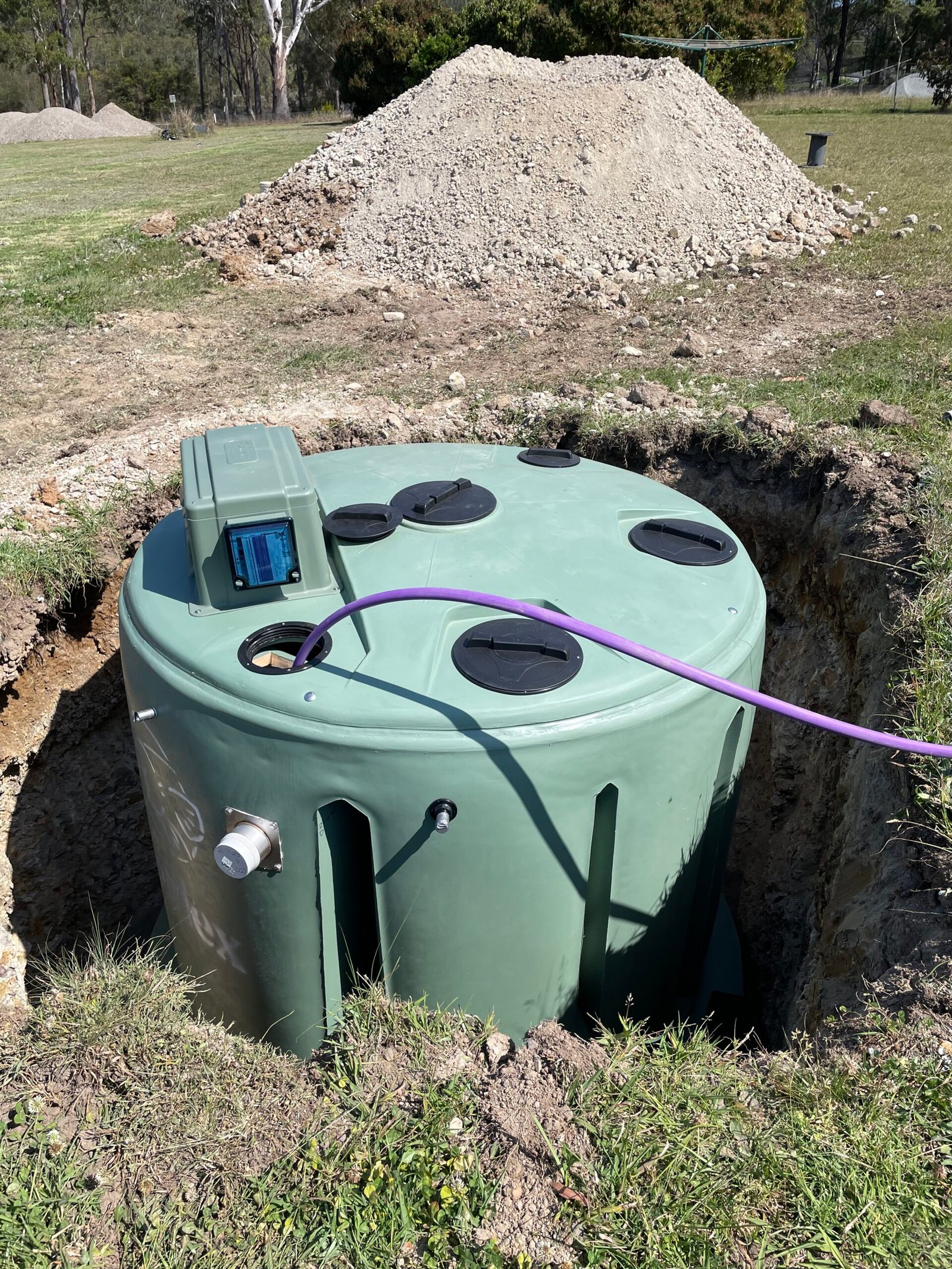


- Specialized trade waste installation expertise
- Engineered to AS/NZS 3500.2 standards
- Commercial operations across Australia
- Australia-wide delivery network
How we manage your above-ground installation
From first hydraulic checks to final sign-off, our staged workflow prevents costly trading interruptions.
Site level and gravity-fall assessment
We inspect your commercial tenancy, floor elevations, and discharge connections to determine whether gravity drainage to the sewer is viable. By calculating precise falls from your sinks, combi ovens, and dishwashers, we pinpoint whether an above-ground arrestor or an additional trade waste pump pit is required to protect your kitchen from backing up.
Sizing of arrestor and pump duty head/flow rate
Our specialists calculate your arrestor volume and pump hydraulic capacity according to water authority guidelines. We match tank capacities and determine pump duty head and discharge rates, making sure your system handles peak kitchen rushes and complies strictly with AS/NZS 3500.2 standards before any fabrication or procurement begins on your project.
Positioning and securing tank on engineered stand or bunded area
We deliver your certified above-ground grease arrestor and fix it onto a custom-engineered structural stand or designated bunded floor area. This mechanical positioning ensures stability, seismic anchoring where required, and full containment compliance, while providing adequate clearance for regular servicing, pipe inspections, and general wash-down maintenance in tight commercial plant rooms.
Installation of trade waste pump pit and high-level alarm system
If your kitchen floor level sits below the tank inlet, we fit an industrial trade waste transfer station featuring commercial cutter pumps. We wire and test a dedicated high-level audio and visual alarm panel that alerts kitchen managers instantly to high water levels, preventing unexpected overflows before waste can pool.
Inlet, outlet, and venting pipework connection
Our commercial plumbing teams connect the complete hydraulic trade waste line, including fixture waste inlets, sample points, discharge sewer piping, and correct venting. We ensure every penetration and pipe connection meets strict trade waste specifications, preventing backflow siphoning and dangerous gas escape inside food preparation zones or customer dining areas.
Commissioning, leak testing, and flow verification
We carry out comprehensive commissioning by cycling water through the complete commercial system. Our technicians test pump shut-off floats, check high-level alarms, examine pipe joints for zero leakage under full operating pressure, and verify sewer discharge flows so your kitchen can trade immediately with complete confidence and signed compliance documentation.
What you get
What’s included
- Site assessment, sizing calculations, water authority liaison, excavation/civil works, certified tank and pump installation, full drainage connections, and compliance certification.
What to bring
- Existing hydraulic plans, council DA/CDC conditions, or water authority defect notices (if applicable).
Before you book
- All installations comply with AS/NZS 3500.2 and local water authority trade waste standards (including Sydney Water, Melbourne water retailers, Urban Utilities, SA Water, and Water Corporation).
Getting here
We assess vacuum tanker hose-run distances, trafficable vs. pedestrian lid load ratings, and confined space clearances prior to installation.
Proven performance on commercial sites
Fantastic service and expert knowledge. Solved our complex drainage and trade waste issues quickly and professionally.
Shannon and his team were prompt, extremely thorough, and completed our drainage and installation work to the highest standard with great communication.
Solving tight kitchen layouts where gravity falls fail
Installing trade waste infrastructure becomes a serious engineering challenge when your commercial kitchen sits below the sewer main or inside a multi-storey tenancy. Standard drainage requires fall, but basement venues, shopping centre food courts, and heritage sites rarely provide the depth needed for excavated pits. Attempting to force an improper setup risks persistent grease backups, foul kitchen odours, and immediate compliance notices from your local water authority.
Our above ground grease trap installation service delivers a complete mechanical answer for sites where standard in-ground excavation is impossible. We supply and secure certified above-ground arrestors onto engineered support stands and bunded platforms, preventing grease seepage while keeping tanks accessible for regular maintenance. For kitchens positioned below the arrestor inlet, we integrate heavy-duty cutter pump pits that lift trade waste efficiently to sewer level.
Every project is sized to your exact fixture count, anticipated peak flow, and regulatory guidelines under AS/NZS 3500.2. Whether you are running a high-volume restaurant in a dense urban street or fitting out a retail tenancy, our turnkey trade waste installations give you certified hydraulic performance and lasting reliability.
Common questions about above-ground trade waste
Clear details on site assessments, pump configurations, and regulatory standards.
When is an above ground grease trap installation required instead of an in-ground tank?
An above-ground system is required when site conditions prevent standard in-ground excavation, such as basement kitchens, multi-storey shopping centre tenancies, heritage structures, or sites with solid rock foundations. If your kitchen fixtures lack the gravity fall necessary to drain into a conventional sewer main or in-ground pit, a freestanding arrestor paired with a pump transfer station provides the only viable, fully compliant trade waste solution.
How does a pumped trade waste system operate in a basement kitchen?
In a basement tenancy where the kitchen floor sits below the grease arrestor inlet or sewer line, trade waste drains by gravity into a pump collection pit. Submersible cutter pumps then lift the effluent under pressure directly into your above-ground grease trap or through to the discharge connection. The system includes an audio-visual high-level alarm panel that warns staff if liquid levels rise unusually, stopping floor drain overflows.
What structural bunding or support stands are included in the setup?
Above-ground arrestors must sit level, secure, and accessible for ongoing servicing. We supply and position custom engineered structural steel stands designed to carry the operating weight of the filled tank. Where local regulations demand spill containment, we integrate certified bunding or positioning trays to catch spills during cleaning, keeping plant rooms, car parks, or lower basements completely dry and compliant with council environmental bylaws.
How long does a complete above-ground installation take?
Most above-ground installations and pumped system changeovers are completed in 1 to 2 days. Because no major concrete saw-cutting, subsoil excavation, or ground reinstatement is required, work progresses rapidly. We coordinate delivery, mechanical positioning, pipe connections, pump wiring, and testing in tight, pre-planned phases, including after-hours scheduling when needed to protect active commercial kitchens from downtime during business trading hours.
Can you assist if our local water authority issued an upgrade notice?
Yes. When water authorities issue notices for undersized tanks, absent sampling points, or unapproved drainage lines, we assess your peak trade discharge and calculate the correct arrestor sizing required. We manage the equipment specification, install compliant above-ground tanks with required vents and bunding, and complete mandatory sign-off so your tenancy meets AS/NZS 3500.2 standards and resolves any outstanding compliance orders.
My grease trap pump alarm is going off and the floor is backing up—how fast can you assist?
A sounding high-level alarm paired with backing-up floor wastes indicates an immediate pump or float failure. We mobilise commercial technicians nationwide to diagnose electrical controls, unblock or replace failed cutter pumps, and reset the alarm panel quickly. Our network carries heavy-duty replacement pump units to restore kitchen operations before standing water creates health breaches or causes restaurant trading to halt.
What locations do you service across Australia?
We manage commercial grease trap systems nationwide across Sydney, Melbourne, Brisbane, Adelaide, Perth, Port Macquarie, Coffs Harbour, Newcastle, Wollongong, the Gold Coast, and the Sunshine Coast. Our preferred commercial plumbing network covers all major capital cities and regional centres from Port Macquarie size and up, offering coordinated trade waste solutions for hospitality venues, landlords, and commercial builders across Australia.
Understanding the Scope of Your Above-Ground Installation
Every above-ground installation is scoped to prevent trade waste non-compliance and avoid mid-project budget blowouts. When we quote an above-ground or pumped system, the standard contract covers the supply and placement of the certified above-ground arrestor, custom structural support stands or engineered bunding to suit your tenancy floor, and a commercial trade waste transfer or cutter pump station when your fixtures sit below the arrestor inlet. It also includes the dedicated audio and visual high-level alarm panel, as well as the complete run of trade waste inlet, discharge, and vent pipework tied directly to your existing internal points.
To keep our pricing transparent for fitouts, specific peripheral site works are not included in the standard trade waste package and are quoted separately if needed. Primary electrical supply runs—such as pulling a dedicated circuit from your building’s distribution board to the alarm panel—must be completed by your project electrician. Major structural core drilling through post-tensioned commercial concrete slabs, structural engineer certifications for non-standard mezzanine load limits, and building alterations outside the immediate tank footprint are excluded. We clarify all boundaries prior to project commencement so commercial shopfitters, hospitality operators, and property managers know the exact interface between our plumbing work and third-party trades.
Book an above-ground trade waste site inspection
Speak directly with our commercial specialists on 0414 881 651 or request your project quote online today. We deliver compliant, turnkey above-ground installations nationwide.